
Although Amsterdam was not the birthplace of the Reformation, it eventually became one of Europe’s greatest havens for religious refugees, printers, and merchants. During the sixteenth and seventeenth centuries, men and women fleeing persecution found increasing freedom in the Low Countries, allowing biblical scholarship, printing, and theological discussion to flourish in ways impossible elsewhere. Throughout our journey we will discover how God’s providence used commerce, education, political change, and courageous individuals to preserve His Word and place the Scriptures into the hands of ordinary people.
Important Highlights
Trip at a Glance

Location
Belgium

Duration
Spring Break

Exertion
Light

Participants
Anyone

Class Credit
No
Tulips, Windmills, and the Reformation
Tulips, Windmills, and the Reformation
Tulips, Windmills, and the Reformation


Trip Itinerary
Depart U.S. To Amsterdam
- March 17th, 2028
Amsterdam, the Netherlands
- March 18, 2028
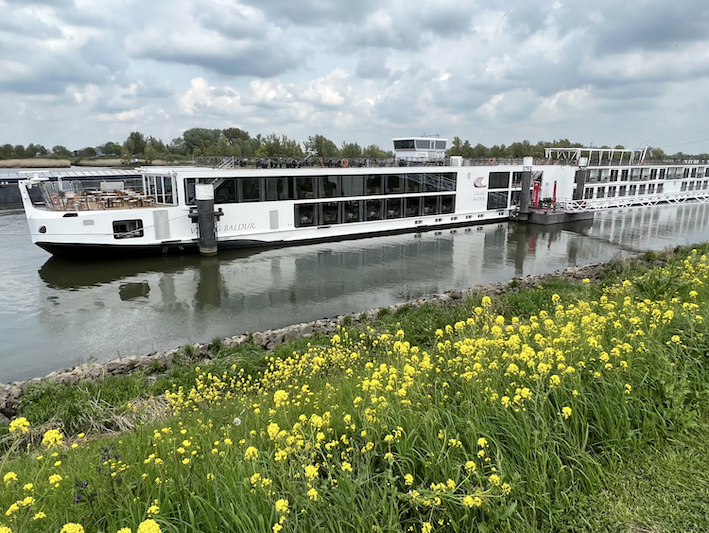
Embarkation and Seeing His World Welcome Reception and Orientation.
Amsterdam & Keukenhof Gardens
- March 19, 2028
Spring transforms the Dutch countryside into one of the world's most spectacular displays of color.
Scenic sailing on the Ijsselmeer & Enkhuizen
- March 20, 2028
Today's voyage carries us across the IJsselmeer, one of Western Europe's largest inland lakes.
Nijmegen, the Netherlands
- March 21, 2028
Nestled along the banks of the Waal River, Nijmegen proudly claims the distinction of being the oldest city in the Netherlands.
Kinderdijk, the Netherlands
- March 22, 2028
No image is more closely associated with the Netherlands than the graceful windmills of Kinderdijk.
Antwerp, Belgium
- March 23, 2028
Our arrival in Antwerp marks one of the most significant destinations of our entire journey.
Middelburg & Veere, the Netherlands
- March 24, 2028
Today's journey takes us into the historic province of Zeeland.
Zeeland, the Netherlands
- March 25, 2028
Few regions illustrate the relationship between the Dutch people and the sea more vividly than Zeeland.
Amsterdam, the Netherlands
- March 26, 2028
As our Viking journey draws to a close, we return to Amsterdam.
Amsterdam & Zaanse Schans
- March 27, 2028
After disembarking from our Viking Longship, we remain in Amsterdam to begin the next chapter of our journey.
Antwerp, Belgium
- March 28, 2028
Today we return to Antwerp.
Vilvoorde & Leuven, Belgium
- March 29, 2028
Today's journey is undoubtedly the emotional climax of our entire experience.
Brussels, Belgium
- March 30, 2028
Our unforgettable journey through the lands of the Reformation comes to a close today as we transfer to Brussels Airport (BRU) for our return flights home.
March 17th, 2028 - March 30, 2028
March 17th, 2028 - March 30, 2028
March 17th, 2028 - March 30, 2028
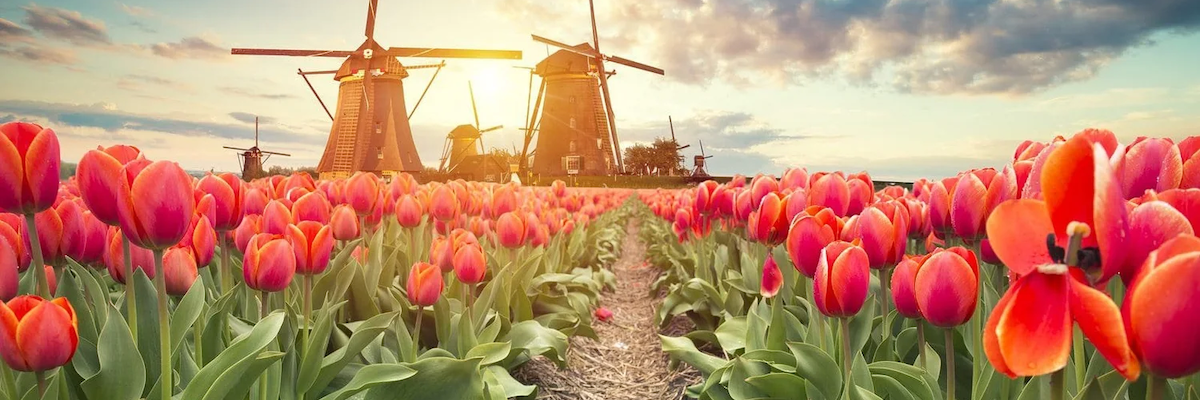
During our time in Amsterdam and the surrounding region, we experience the beauty that has made Holland synonymous with tulips for centuries. Introduced from the Ottoman Empire during the sixteenth century, tulips quickly became one of the defining symbols of the Dutch Golden Age. Today millions of blossoms blanket the countryside in vibrant reds, yellows, pinks, and purples, creating unforgettable landscapes enjoyed by visitors from around the world. Depending upon Viking’s operating schedule, today’s excursions may include the famous Keukenhof Gardens, where more than seven million flowering bulbs create one of Europe’s most celebrated spring attractions.
March 17th, 2028 - March 30, 2028
Once known as the Zuiderzee, this body of water connected prosperous Dutch ports with the North Sea, making it a vital artery for commerce and maritime trade. Along its shores prosperous cities flourished through fishing, shipbuilding, and international commerce, helping establish the Netherlands as one of Europe’s leading economic powers. Our destination is the historic harbor city of Enkhuizen, a member of the Hanseatic League whose wealth and influence can still be seen in its beautifully preserved churches, defensive towers, and elegant merchant homes.
March 17th, 2028 - March 30, 2028
Established as a Roman settlement nearly two thousand years ago, the city has witnessed the rise and fall of empires, the growth of medieval Europe, and the transformation of the Low Countries into one of the world’s great centers of commerce and learning. Today its lively cafés, historic squares, and impressive churches blend seamlessly with reminders of its Roman heritage and its more recent role during World War II. As we explore this remarkable city, we walk through layers of European history that prepared the cultural landscape into which the Protestant Reformation would emerge.
March 17th, 2028 - March 30, 2028
Standing sentinel across the reclaimed polders of South Holland, these nineteen eighteenth-century windmills testify to centuries of Dutch ingenuity, perseverance, and determination. Built to manage the ever-present challenge of water, the windmills worked together with canals, dikes, and pumping systems to reclaim fertile farmland from the sea. Today Kinderdijk is recognized as a UNESCO World Heritage Site and remains one of the finest examples of hydraulic engineering anywhere in the world.
March 17th, 2028 - March 30, 2028
During the sixteenth century, Antwerp stood among the wealthiest and most influential cities in Europe. Its magnificent harbor connected England with the Continent through an intricate network of merchant vessels carrying textiles, spices, precious metals, books, and ideas. Artists, bankers, scholars, printers, and merchants transformed Antwerp into one of the intellectual and commercial capitals of the Renaissance. Walking through its elegant Grote Markt, beneath the towering Cathedral of Our Lady, it is easy to understand why this remarkable city became a crossroads of European culture.
March 17th, 2028 - March 30, 2028
Today’s journey takes us into the historic province of Zeeland, where picturesque coastal towns reflect centuries of maritime prosperity and Dutch resilience. Our first stop, Middelburg, flourished during the Dutch Golden Age as one of the Netherlands’ most important commercial cities. Its magnificent Gothic Town Hall, medieval abbey complex, and the towering Lange Jan dominate the skyline, reminding visitors of the city’s importance in both civic and religious life. Nearby Veere, once a thriving trading port, still preserves its historic harbor, cobblestone streets, and beautifully restored merchant buildings that speak of an era when commerce connected the nations of Europe.
March 17th, 2028 - March 30, 2028
Its very name—”Sea Land”—reflects a landscape shaped by rivers, tides, dikes, and reclaimed farmland. For centuries the people of Zeeland battled the forces of nature, constructing an extraordinary system of embankments, canals, and flood defenses that transformed vulnerable marshes into productive farmland. This spirit of perseverance, independence, and innovation became one of the defining characteristics of the Dutch Republic and contributed to the emergence of one of Europe’s most prosperous societies.
March 17th, 2028 - March 30, 2028
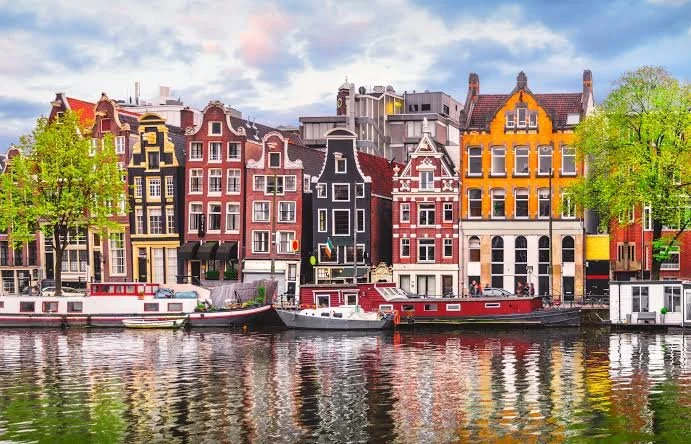
As our Viking journey draws to a close, we return to Amsterdam, a city whose canals, elegant architecture, and vibrant cultural life beautifully reflect the prosperity of the Dutch Golden Age. During spring, colorful tulips transform parks, gardens, and surrounding fields into breathtaking displays admired throughout the world. Introduced into the Netherlands during the sixteenth century, tulips quickly became enduring symbols of Dutch identity, reminding us that beauty often flourishes where careful cultivation, patience, and vision come together.
March 17th, 2028 - March 30, 2028
Although our focus now turns to William Tyndale, we begin with another powerful story of courage under persecution—the Anne Frank House. Hidden behind the walls of a modest canal house, Anne Frank and her family spent more than two years in hiding during the Second World War before their eventual arrest and deportation. Walking through the Secret Annex serves as a sobering reminder that throughout history there have always been governments willing to suppress freedom of conscience and individuals willing to risk everything for their convictions. Though separated by four centuries, Anne Frank and William Tyndale remind us that truth often carries a great personal cost.
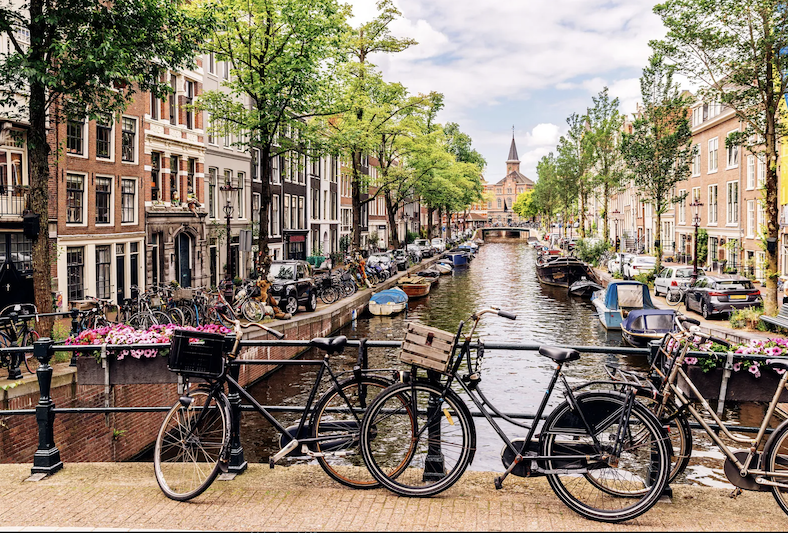
A short walk brings us to the magnificent Westerkerk, one of Amsterdam’s most recognizable landmarks. Completed in 1631 during the Dutch Golden Age, its soaring tower overlooks the canal district and symbolizes the emergence of Protestant worship within the Netherlands following decades of religious upheaval. From there we continue through the charming Jordaan District, once home to artisans, merchants, refugees, and immigrants whose lives helped shape Amsterdam into one of Europe’s most vibrant cities.
Our afternoon walking tour introduces us to the historic heart of Amsterdam. Standing in Dam Square, we examine the city’s origins as a medieval trading settlement that grew into one of the world’s greatest commercial capitals. Nearby, the Royal Palace reminds us of the political transformations that accompanied the Dutch Republic’s rise to prominence, while the surrounding canal district reveals the prosperity generated through international trade during the seventeenth century. It was this combination of commerce, scholarship, and increasing religious liberty that made the Netherlands one of the most important centers for Protestant thought in Europe.
Later in the afternoon we travel north to the picturesque village of Zaanse Schans, one of the finest preserved historic communities in the Netherlands. Here beautifully restored windmills line the waterways, while traditional wooden homes, artisan workshops, cheese farms, and clog makers recreate daily life during the Dutch Golden Age. More than simply a charming destination, Zaanse Schans illustrates the remarkable prosperity that commerce and industry brought to the Dutch Republic. The same economic strength that built these communities also fostered an atmosphere where printing, scholarship, and religious discussion could flourish with increasing freedom.
March 17th, 2028 - March 30, 2028
Today we return to Antwerp—not simply as visitors, but as students retracing one of the most remarkable chapters in Christian history. During our cruise we were introduced to Antwerp’s importance as Europe’s commercial and printing capital. Today we discover why this city became William Tyndale’s home and the operational center of the English Bible movement.
Our morning begins at the magnificent Plantin-Moretus Museum, the world’s only UNESCO World Heritage museum dedicated entirely to printing. Although the famous Plantin Press flourished after Tyndale’s death, it perfectly preserves the world in which he labored. Here we’ll stand before original sixteenth-century printing presses, examine centuries-old movable type, and witness the painstaking process by which books—and eventually Bibles—were produced. As we walk through the workshops, composing rooms, and libraries, it becomes easy to imagine the tremendous effort required to produce every page of Scripture during the Reformation.
From there we enter the historic merchant quarter where English Merchant Adventurers established their businesses and where Tyndale found both friendship and financial support. These prosperous merchants recognized that translating the Scriptures into English was more than an academic exercise—it was a mission worthy of their resources and protection. Together we’ll explore how commercial success became an unexpected instrument in God’s providence as warehouses, docks, and shipping companies quietly became distribution centers for the English New Testament.
Throughout the afternoon we’ll follow the streets Tyndale himself would have known. While many of the original buildings have disappeared beneath the centuries, the medieval street plan remains remarkably intact. Standing in the heart of old Antwerp, we’ll imagine bales of English cloth arriving from London, printing presses working late into the night, and newly printed Testaments being carefully hidden among commercial cargo before beginning their dangerous journey across the English Channel.
March 17th, 2028 - March 30, 2028
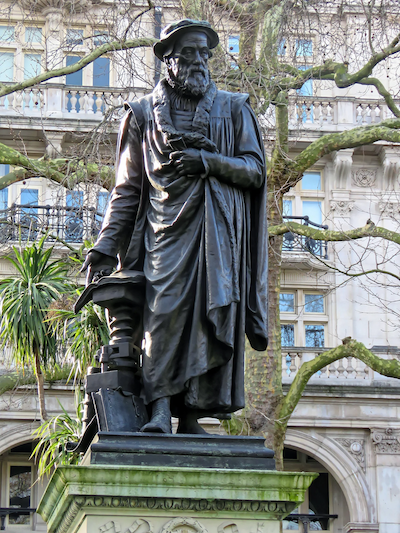
Leaving Antwerp, we travel a short distance to Vilvoorde, the quiet Belgian town where William Tyndale spent the final eighteen months of his life imprisoned for the “crime” of translating the Scriptures. It was here, within the walls of Vilvoorde Castle, that Tyndale awaited trial before being condemned for heresy.
Although the medieval prison no longer stands, the site remains one of the most sacred places in the history of the English Bible. Standing where Tyndale was confined, we’ll read excerpts from his final prison letter—a deeply moving request for a warmer coat, additional clothing, a Hebrew Bible, Hebrew grammar, and dictionary so that he might continue translating Scripture during the cold winter months. Even while awaiting execution, Tyndale’s greatest desire remained the study and translation of God’s Word.
Nearby we’ll visit the William Tyndale Memorial, where we’ll reflect upon the events of October 6, 1536. Condemned by ecclesiastical authorities, Tyndale was strangled before his body was burned at the stake. His final recorded prayer continues to inspire Christians around the world:
“Lord, open the King of England’s eyes.”
Within only a few years, that prayer began to be answered as authorized English Bibles increasingly appeared throughout England, many relying heavily upon Tyndale’s own translation.
Following this profoundly moving experience, we continue to the historic university city of Leuven. Home to one of Europe’s oldest universities, Leuven played a significant role in Renaissance scholarship and biblical studies. As we stroll through the magnificent Grote Markt, admire St. Peter’s Church, and wander the beautiful university district and botanical gardens, we’ll encounter another side of Reformation history—the world of scholars, professors, and students whose debates reshaped Europe forever.
This evening we gather for our farewell dinner, reflecting upon the extraordinary story we have followed from Amsterdam to Antwerp, from printing press to prison cell, and from persecution to the enduring triumph of God’s Word.
March 17th, 2028 - March 30, 2028
If you have questions about an FHU Go program, click the button below to fill out a form and to connect with a member of the FHU Go team.
Contact Us